


The 8 Dimensions of Wellness (The Wellness Wheel)
What Are the 8 Dimensions of Wellness? When most people hear the word “wellness,” they think of physical or mental health. Both matter, but wellness can be broken down into eight distinct dimensions, often shown as a circle called the wellness wheel. The eight dimensions are physical, emotional, social, intellectual,

Seasonal Depression (SAD): Symptoms, Causes & How to Cope
What Is Seasonal Depression? Seasonal Affective Disorder (SAD), often called seasonal depression, is a type of depression where depressive episodes return at the same time each year. For most people, symptoms begin in late fall and ease in the spring. Less often, episodes begin in the spring or summer. SAD


Can Family Medicine Doctors Prescribe Antidepressants?
Quick Summary Family physicians can prescribe antidepressants and write about three quarters of these prescriptions for people with employer insurance. Care usually begins with a screening questionnaire, a health history review, and lab work to rule out physical causes of low mood. SSRIs are a common first choice, most medications

Male Annual Physical Exam Checklist: Essential Screenings by Age
Quick Summary A man’s annual physical covers vital signs, a hands-on exam, and questions about mood, alcohol, and tobacco at every age. Blood pressure checks begin at 18, with one-time hepatitis C and HIV testing recommended for young adults. Diabetes screening starts at 35 for men with overweight, colorectal screening

Annual Physical Exam Checklist for Female: What to Expect at Your Visit
Quick Summary A woman’s annual physical covers more than vital signs and bloodwork. Depending on your age, symptoms, and medical history, your visit may include breast or pelvic examinations, cervical cancer screening, and other preventive tests. Preparing a medication list, cycle notes, and family history makes the visit more productive.
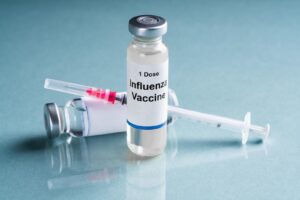
How Does a Flu Shot Work to Protect You from Influenza?
Quick Summary A flu shot contains harmless viral proteins that teach the immune system to produce antibodies, a process that takes about two weeks. Memory cells then allow a faster response if the real virus appears. The shot uses inactivated virus or recombinant protein, so it cannot cause the flu.