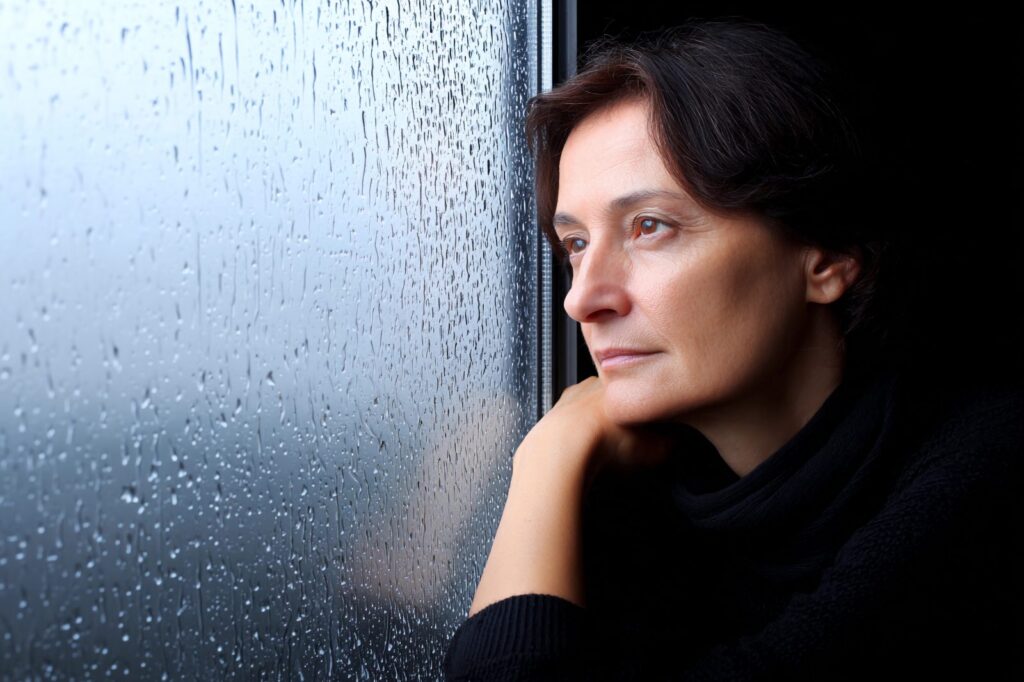
What Is Seasonal Depression?
Seasonal Affective Disorder (SAD), often called seasonal depression, is a type of depression where depressive episodes return at the same time each year. For most people, symptoms begin in late fall and ease in the spring. Less often, episodes begin in the spring or summer.
SAD is different from the “winter blues,” a milder dip in mood tied to the stresses of a certain time of year that doesn’t disrupt daily life. SAD is a biological response to changes in the environment, especially reduced daylight. It can disrupt sleep, appetite, energy, concentration, and overall functioning.
About 5% of people experience SAD each year, and many more notice milder seasonal mood changes. Here in central New Jersey, daylight drops to around 9 hours by late December, so many of our patients start to feel the shift in October and November.
Who Is Most at Risk?
SAD is more common in people who:
- Have depression or bipolar disorder, or a family history of either
- Live farther from the equator, where winter days are shorter
- Are female; women are about four times more likely to develop SAD than men, though anyone can be affected
What Causes Seasonal Depression?
Several biological changes can happen as the seasons change:
- Shorter days disrupt our circadian rhythm, the internal clock that controls our sleep-wake cycle.
- Less sunlight lowers serotonin, a brain chemical that helps regulate mood.
- Melatonin shifts: too much melatonin in winter can cause oversleeping, while too little in summer can lead to insomnia.
- Lower vitamin D: less time in the sun lowers vitamin D, which supports brain health and serotonin activity.
What Are the Symptoms of Seasonal Depression?
Common symptoms of fall and winter SAD include:
- A persistent sad, empty, or hopeless mood
- Oversleeping (hypersomnia) and deep daytime fatigue
- Increased appetite, especially craving carbohydrates, which can lead to weight gain
- Social withdrawal, or wanting to “hibernate”
- Trouble concentrating, making decisions, or finishing tasks
- Feelings of worthlessness or guilt and, in severe cases, thoughts of death or suicide
Spring and summer SAD often looks different: trouble sleeping (insomnia), poor appetite and weight loss, agitation or anxiety, and increased irritability.
If you or someone you know is having thoughts of suicide, call or text 988 to reach the Suicide & Crisis Lifeline, available 24/7. In an emergency, call 911.
How Do You Treat Seasonal Depression?
SAD is very treatable, and many people do best with a combination of approaches.
1. Bright Light Therapy (Phototherapy)
Light therapy is often the first treatment recommended. It uses a 10,000-lux light box, filtered to block UV light, that mimics bright outdoor light. Most people sit near it for about 20 to 30 minutes each morning, ideally within the first hour after waking. This helps reset circadian rhythms, boost serotonin, and manage excess melatonin.
Talk with your provider before starting light therapy, especially if you have bipolar disorder, an eye condition, or take medications that make you sensitive to light.
2. Cognitive Behavioral Therapy for SAD (CBT-SAD)
This form of talk therapy is tailored to SAD. It helps you challenge low mood, negative thoughts, anxiety, and stress that come with the change in seasons, and build healthy coping skills.
3. Antidepressant Medications
For moderate to severe SAD, medication can help manage the biological side of the condition. It is often combined with light therapy or CBT. Some people start medication before symptoms usually begin each year to help prevent an episode. Your provider can talk with you about whether medication is a good fit.
4. How to Deal With Seasonal Depression Day to Day
Simple lifestyle changes can also ease symptoms:
- Get natural light. Take a walk outside during daylight hours, sit near a window, or simply open the curtains.
- Move your body. Regular exercise can improve mood and energy.
- Keep a routine. Stick to regular sleep and meal times, eat balanced meals, and stay hydrated.
- Stay connected. Spending time with and talking to others can ease feelings of isolation and lift your mood.
Does Vitamin D Help Seasonal Depression?
Vitamin D levels often drop in the winter months, when we spend less time in the sun. Research on vitamin D as a treatment for SAD is mixed, but correcting a true deficiency is good for your overall health.
Rather than guessing, ask your provider whether a simple blood test makes sense for you. If your levels are low, they can recommend the right supplement and dose.
How Long Does Seasonal Depression Last?
For most people with fall and winter SAD, symptoms last about four to five months. They usually start in October or November and ease in March or April as the days get longer. Because SAD tends to come back each year, planning ahead with your provider can help you feel better sooner, or prevent an episode altogether.
Can Your Primary Care Doctor Treat Seasonal Depression?
Yes. Your primary care provider is often the best place to start. At your visit, we can:
- Talk through your symptoms and screen for depression
- Check for other causes of fatigue and low mood, such as thyroid problems or low vitamin D
- Build a treatment plan, which may include light therapy, medication, or lifestyle changes
- Refer you to a therapist for CBT or to a mental health specialist when needed
If the shorter days are affecting your mood, energy, or sleep, you don’t have to wait it out. Schedule an appointment with our Somerset, NJ primary care team today.
Related reading: The 8 Dimensions of Wellness
References
- National Institute of Mental Health (NIMH): Seasonal Affective Disorder
- Mayo Clinic: Seasonal affective disorder (SAD) – Symptoms and causes
- Rutgers Brain Health Institute: Seasonal Affective Disorder Symptoms and Treatment
- 988 Suicide & Crisis Lifeline