Quick Summary
A full physical exam gives your doctor a broad view of your overall health. It may include vital signs, a review of your medical history, heart and lung checks, preventive screenings, and discussions about medications or symptoms. Regular exams can help identify health concerns early and keep preventive care on track.
Routine physicals are an important part of preventive care because some health problems can develop without noticeable symptoms. At Etheridge Family Medicine, we use these visits to understand your current health, monitor changes over time, and develop a care plan based on your individual needs.
If you are looking for a Somerset, NJ doctor, Etheridge Family Medicine offers compassionate family medicine focused on preventive care and long-term wellness.
What Happens During a Full Physical Exam?
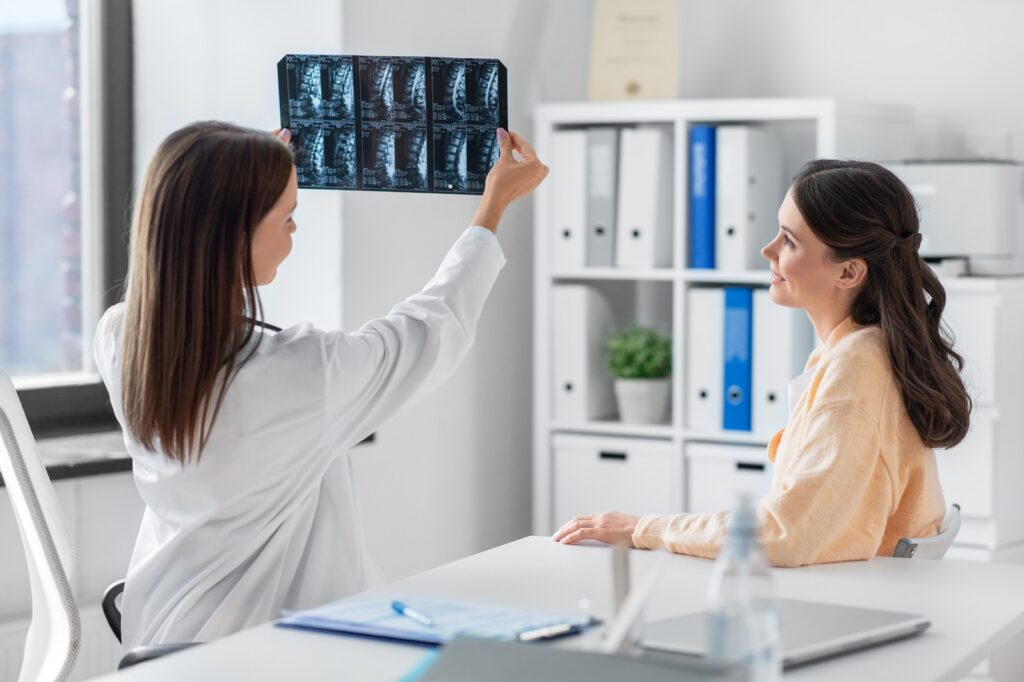
A physical exam typically starts with a conversation about your health. Your doctor may review your medical and family history, current medications, allergies, previous diagnoses, and any recent symptoms. You may also discuss lifestyle factors such as sleep, nutrition, physical activity, stress, and other daily habits.
Your provider will then take basic measurements, which may include blood pressure, pulse, temperature, height, and weight. Depending on your health history and concerns, the physical portion of the appointment may include listening to your heart and lungs, examining your abdomen, evaluating your skin, or checking other areas of your body.
The specific components of an exam can vary. Your doctor may recommend additional assessments when your symptoms, age, medical history, or risk factors indicate a need for closer evaluation.
Why Regular Physical Exams Matter
Some health conditions can progress without producing noticeable symptoms. Routine visits give your doctor an opportunity to monitor important health indicators and identify changes before they become more serious.
For example, changes in blood pressure, blood sugar, cholesterol, or other health markers may not always cause symptoms. Regular monitoring can help identify these changes and determine whether additional testing, lifestyle changes, or treatment may be appropriate.
Routine physicals also create a clearer picture of your health over time. Comparing information from previous visits can help your doctor recognize trends and make more informed decisions about your ongoing care.
Health Screenings We May Discuss
Preventive screening recommendations are not the same for everyone. Your doctor considers factors such as your age, sex, medical history, family history, and individual risk factors when determining which screenings may be appropriate.
Depending on your circumstances, your appointment may include a discussion about:
- Cholesterol and other blood tests
- Diabetes screening
- Age-appropriate cancer screenings
- Bone health
- Vaccinations
- Other preventive tests based on your health history
If laboratory work or another screening test is recommended, your doctor can explain its purpose and what the results may indicate. This gives you an opportunity to understand the reasoning behind each recommendation rather than approaching preventive care as a one-size-fits-all process.
How to Prepare for Your Appointment
A little preparation can help you make better use of your appointment. Before your visit, make a list of the medications, vitamins, and supplements you currently take. Include the dosage and frequency when possible.
It can also help to write down symptoms, recent changes in your health, or questions you want to discuss. This is especially useful if you have several concerns you would like to address.
If you have recently seen a specialist or completed medical testing elsewhere, bring relevant records if they are not already available to your primary care team. You should also mention significant changes in your family medical history because new information may affect your preventive care recommendations.
What Should You Ask During Your Exam?
A routine physical is an opportunity to discuss more than immediate symptoms. Consider asking your doctor about areas of your health that you may want to monitor or change.
Topics might include:
- Blood pressure and cholesterol
- Weight changes
- Sleep quality
- Exercise and physical activity
- Nutrition
- Stress
- Medication side effects
- Recommended health screenings
- Vaccinations
- Ongoing symptoms
You should also mention symptoms that seem minor if they have continued for an extended period. Sharing these details gives your doctor more information to consider when evaluating your overall health.
How Often Should You Schedule a Physical?
There is no single schedule that applies to every adult. The frequency of preventive visits depends on factors such as your age, medical history, medications, risk factors, and existing health conditions.
Some people may benefit from more frequent appointments because they require closer monitoring. Others may follow a less frequent routine preventive schedule.
Your primary care provider can help determine how often you should be seen based on your current health needs. Regular appointments can also make it easier to identify meaningful changes between visits.
Family Medicine and Ongoing Primary Care
A physical exam is most useful when it is part of an ongoing relationship with a primary care provider. Instead of looking at each appointment as an isolated visit, your doctor can use information collected over time to better understand your health.
Etheridge Family Medicine serves patients through different stages of life with preventive care, routine medical visits, chronic condition management, and telehealth services. Dr. Barbara Etheridge has also been recognized by NJ Top Docs for more than 14 years.
Our approach focuses on personalized care, open communication, and ongoing attention to your health needs.
Schedule Your Next Visit With Our Somerset Team
Your health can change gradually, and regular checkups help you stay aware of those changes. If you are due for a physical, our Somerset team is ready to help you take the next step. Call our office, use our contact form, or schedule an appointment with Etheridge Family Medicine.
We welcome patients seeking thoughtful primary care, preventive guidance, telehealth options, and a lasting relationship with a local medical team.
Frequently Asked Questions
Does a Full Physical Exam Include Blood Work?
Not every physical exam requires blood work. Your doctor may recommend laboratory testing based on your age, symptoms, medications, medical history, and individual risk factors.
If testing is appropriate, your provider can explain which tests are being recommended and why. Some people may need laboratory work during a particular visit, while others may not require blood tests as part of every routine physical.
Can I Discuss New Symptoms During My Physical?
Yes. A physical exam is an appropriate time to tell your doctor about new symptoms or changes in your health.
Try to describe when the symptom began, how frequently it occurs, and whether anything makes it better or worse. Your doctor can determine whether the concern can be evaluated during the appointment or if a separate follow-up visit would be more appropriate.
Can Telehealth Replace an In-Person Physical Exam?
Telehealth can be useful for certain follow-up appointments, medication discussions, and health concerns that do not require a hands-on examination.
However, a complete physical exam involves assessments that cannot be performed fully through a video appointment. Depending on your situation, your provider can help determine whether telehealth or an in-person visit is the better option.