Quick Summary
Telehealth can make atopic dermatitis care more accessible by allowing timely symptom review, medication follow-up, and treatment planning from home. Many mild or recurring skin concerns can begin with a virtual visit, while more severe symptoms may still need an office exam. Primary care helps patients decide the safest next step and keeps skin care connected with overall health.
Atopic dermatitis can flare suddenly, disturb sleep, and make daily routines harder, especially when itching or redness changes fast. Many patients want timely guidance without waiting days for an office visit. That is why the benefits of telehealth for people with atopic dermatitis matter in primary care. A virtual appointment can help us review symptoms, discuss triggers, check treatment response, and decide if an in-person exam is needed. At Etheridge Family Medicine, we use telehealth to make skin concerns easier to address with thoughtful medical guidance and safer care decisions.
How Telehealth Helps With Atopic Dermatitis
Atopic dermatitis is a long-term skin condition that can cause itching, redness, dryness, and repeated irritation that affects comfort, sleep, and daily routines. Because symptoms can change from mild dryness to more noticeable inflammation, regular medical follow-up helps patients avoid delays in care.
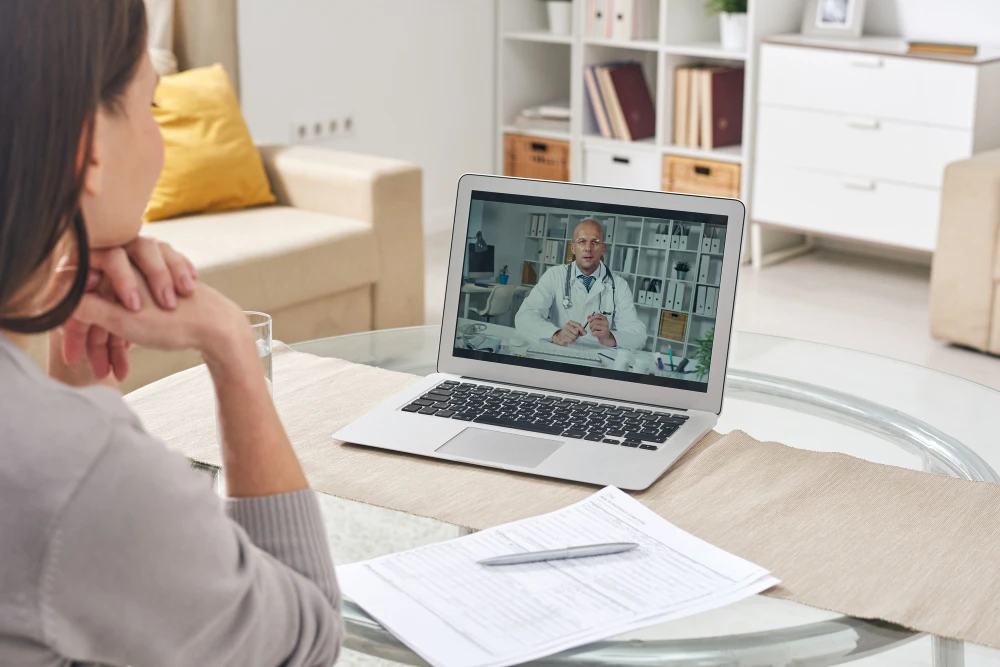
During a telehealth visit, we can discuss recent changes, symptom duration, possible triggers, and how your skin has responded to treatment. Clear photos or live video may help us view the affected area and decide if virtual guidance is appropriate. If the concern needs closer attention, we can recommend an in-office visit for a hands-on exam and the next care step clearly.
Faster Guidance When Symptoms Change
A flare can become uncomfortable quickly, especially when itching, redness, or dryness disrupt sleep, work, school, or daily routines. Waiting too long for guidance may allow symptoms to worsen or spread. During a telehealth visit, we can review the affected area, ask targeted questions, and discuss any recent changes or triggers.
If virtual care is not sufficient, we may suggest an in-person visit so your skin can be examined more closely and appropriate next steps can be determined without unnecessary delay.
Better Follow-Up for Ongoing Skin Care
Atopic dermatitis often requires adjustments over time. A treatment plan may need review if symptoms return, spread, or fail to improve as expected.
Through family medicine, we can discuss medication use, skin changes, possible triggers, and related health concerns. This helps us keep your care organized instead of treating each flare as an isolated problem.
When an Office Visit May Be Needed
Telehealth can be helpful for many atopic dermatitis concerns, but it does not replace every type of medical visit. Some symptoms, such as pain, swelling, drainage, fever, or rapid skin changes, need hands-on evaluation in the office.
An in-person visit may also be needed when the diagnosis is unclear or infection is possible. During your visit, we help you understand what can be handled virtually and when a closer exam is the safer next step for your skin and overall health.
Why Primary Care Matters for Skin Concerns
Skin symptoms can be linked to allergies, asthma, stress, sleep problems, medications, or seasonal changes. Primary care helps us view these concerns within your complete health picture, not as a separate issue. At Etheridge Family Medicine, we listen carefully, review your history, and consider how daily routines affect your skin.
This approach helps us guide the next step, including telehealth follow-up, office evaluation, or referral when needed for lasting care. It also keeps treatment aligned with your broader health needs over time and reduces confusion during recurring flare-ups too.
Thoughtful Care for Recurring Skin Flares
Telehealth gives patients a practical way to discuss atopic dermatitis concerns before symptoms become more disruptive. It can also reduce unnecessary delays for patients who need medical guidance but cannot visit the office right away.
At Etheridge Family Medicine, we help patients manage skin concerns through careful primary care and appropriate follow-up. To ask about atopic dermatitis symptoms or schedule a visit, Contact Us today.
Our team is ready to help you choose the right visit type for your skin concern.
FAQs
Can telehealth help with atopic dermatitis?
Yes. Telehealth can help with symptom review, medication questions, treatment follow-up, and decisions about in-person care.
Will I need to send photos during a telehealth visit?
Photos may help us understand the skin concern better. We will tell you what is needed before or during the visit.
When should atopic dermatitis be seen in person?
An office visit may be needed for severe pain, drainage, fever, rapid changes, or symptoms that do not improve.