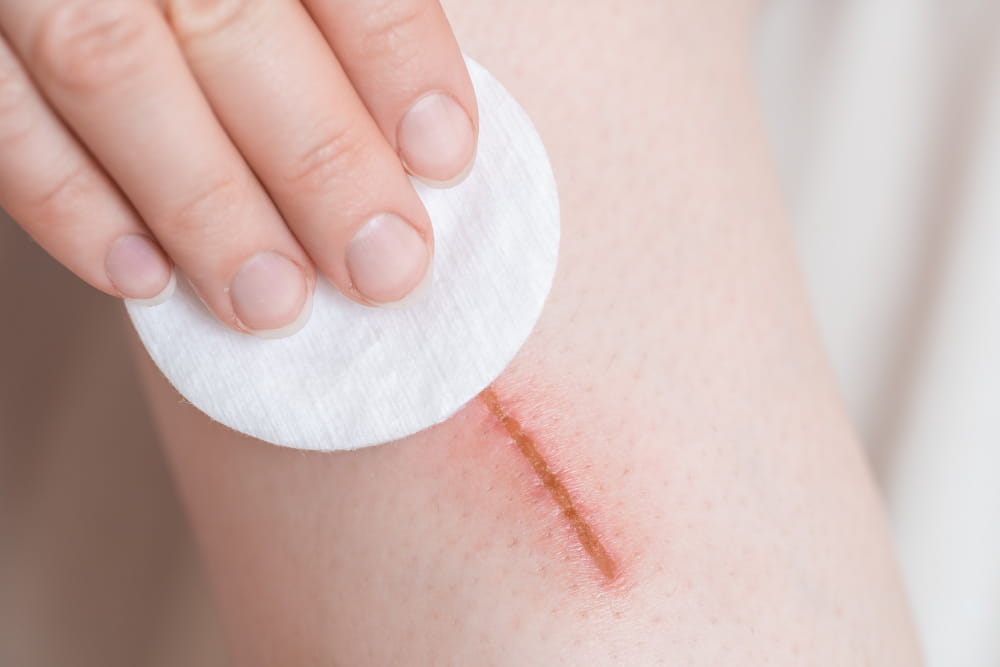
Quick Summary
Most cuts begin healing within days, but some wounds develop infections that slow recovery and create additional health concerns. Increasing pain, spreading redness, unusual drainage, foul odor, fever, and delayed healing are common warning signs. Recognizing these symptoms early can help patients seek medical attention before complications develop.
A small cut may seem minor at first, but changes during the healing process can sometimes signal a problem. Many people wonder how to know if a cut is infected because normal healing and infection can look similar in the early stages. Some redness, swelling, and tenderness are expected after an injury. However, worsening symptoms often tell a different story. Understanding the difference between normal healing and infection can help patients know when medical attention may be necessary and when a wound deserves closer evaluation.
Understanding the Normal Healing Process
A wound usually begins healing shortly after an injury. Blood clotting helps stop bleeding, while immune cells clean the area and remove debris. Mild redness, swelling, and tenderness are often normal during healing. As recovery continues, new tissue forms, the wound closes, and the skin gradually strengthens.
How to Know If a Cut Is Infected Instead of Healing Normally
Many people mistake normal inflammation for infection. While both conditions may involve redness and discomfort, infection usually causes symptoms that become progressively worse rather than improve.
A healing wound generally shows gradual improvement. An infected wound often becomes more painful, more swollen, and more irritated as time passes.
Paying attention to symptom changes can help identify potential concerns.
Spreading Redness Around the Wound
Some redness around a fresh cut is common. However, redness that spreads outward or becomes darker over time may indicate infection.
Red streaks extending away from the wound deserve prompt medical attention. These streaks can suggest that infection is moving beyond the original injury site.
A physician can evaluate the wound and determine the most appropriate treatment.
Increasing Pain Instead of Improvement
Most cuts become less painful as healing progresses. Pain that becomes stronger several days after the injury may be a warning sign.
Sharp pain, worsening tenderness, or discomfort that seems disproportionate to the wound should not be ignored. Persistent pain often signals that the healing process is not progressing as expected.
Drainage, Pus, and Unusual Odors
Drainage can occur during normal wound healing. Clear or lightly colored fluid is often part of the process.
Thick yellow, green, or brown drainage is more concerning. Pus and foul odors frequently suggest bacterial growth within the wound.
These symptoms often require medical evaluation to prevent further complications.
Fever and Other Whole-Body Symptoms
An infection does not always remain limited to the skin. Fever, chills, fatigue, nausea, and general illness may develop when the body is fighting a more significant infection.
These symptoms deserve prompt medical attention, especially when they occur alongside wound-related concerns.
Ignoring these signs can allow infection to worsen and affect overall health.
When a Wound Does Not Seem to Heal
Most minor cuts begin showing signs of improvement within several days. A wound that remains open, continues bleeding, or shows little progress may require professional evaluation.
Patients with diabetes, circulation problems, or weakened immune systems may face a higher risk of delayed healing and infection.
At Etheridge Family Medicine, we encourage patients to seek medical attention when a wound appears stalled or symptoms continue to worsen.
Telehealth Can Help Address Early Concerns
Some wound concerns can begin with a discussion about symptoms and healing progress. Through telehealth family medicine, patients may have an opportunity to discuss concerns with a healthcare professional before symptoms become more serious.
Virtual appointments can help determine if additional evaluation or treatment may be needed.
This option offers a convenient way to address questions about wound healing and infection risks.
Recognizing Problems Before They Worsen
Most cuts heal without serious problems, but certain symptoms deserve attention. Spreading redness, worsening pain, unusual drainage, foul odor, fever, and delayed healing may indicate infection. At Etheridge Family Medicine, we evaluate wound concerns and help patients determine appropriate care. Contact Us today if your cut is not healing properly.
FAQs
How can I tell if a cut is infected or just healing?
A healing cut usually improves over time. Infection often causes worsening pain, spreading redness, unusual drainage, foul odor, or fever.
Is redness around a cut always a sign of infection?
No. Mild redness is often part of normal healing. Redness that spreads or becomes more intense may indicate infection.
When should I see a doctor for a cut?
Medical evaluation may be needed if pain worsens, drainage changes color, fever develops, or the wound does not appear to heal after several days.