Quick Summary
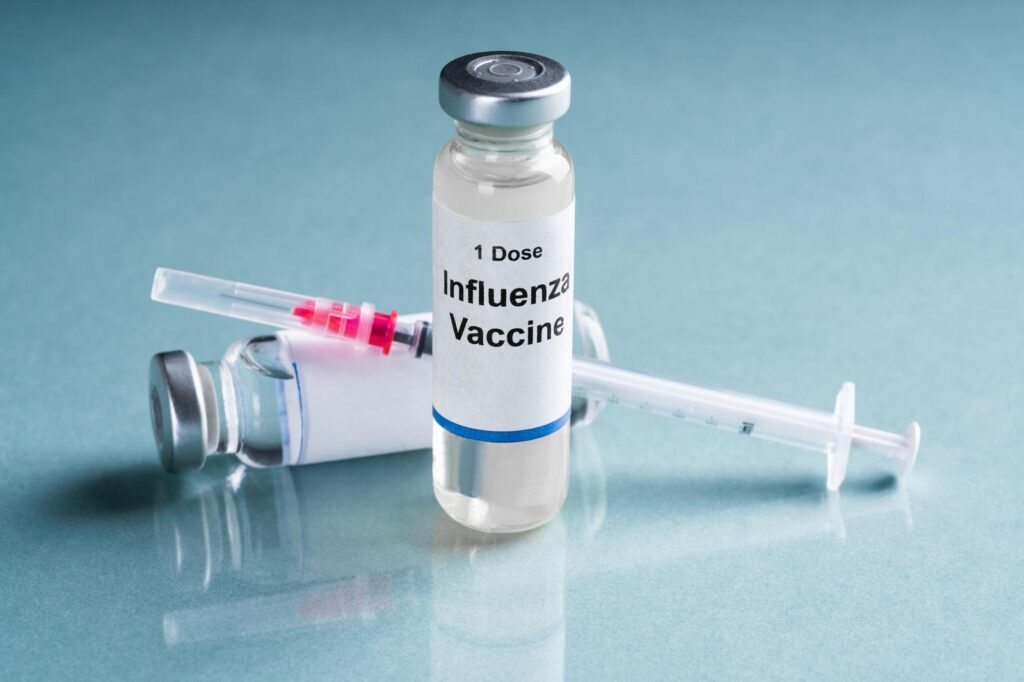
A flu shot contains harmless viral proteins that teach the immune system to produce antibodies, a process that takes about two weeks. Memory cells then allow a faster response if the real virus appears. The shot uses inactivated virus or recombinant protein, so it cannot cause the flu. Current vaccines protect against three strains chosen each year from global surveillance, and vaccination lowers the risk of severe illness, ICU admission, and death.
Influenza viruses change a little every year, and shifts like these help them slip past the immune defenses your body built during earlier seasons. Public health laboratories around the world track these changes constantly, sharing samples and findings to predict which strains will spread next. That surveillance shapes every flu vaccine released in the United States each fall. Even so, plenty of people roll up their sleeves without knowing how a flu shot works once it enters the body. Let’s take a closer look at what happens behind the scenes.
What Happens Inside Your Body After the Shot
Within hours of the injection in your upper arm, your immune system begins studying the harmless pieces of influenza virus the vaccine contains. These pieces, called antigens, mirror the surface proteins of real flu viruses, so your body treats them as a real warning and starts building a targeted defense of its own.
Specialized white blood cells known as B cells then produce antibodies designed to latch onto those proteins and stop the virus from entering and infecting your cells. This process takes about two weeks to reach full strength, which is why getting vaccinated before flu activity rises gives you the best head start. Your immune system also creates memory cells that recognize the virus quickly if you are exposed later, allowing a faster and stronger response during the months when flu spreads most.
Why the Vaccine Cannot Give You the Flu
A common worry is that the shot itself causes illness, yet the science behind flu vaccines points firmly in the other direction. Flu shots contain either inactivated virus that has been killed or a single recombinant protein made without any live virus at all, so nothing in the injection is capable of causing an infection. The soreness, mild fever, headache, or fatigue that some people feel for a day or two are simply signs that the immune system is responding exactly as intended. Catching a cold or another respiratory bug around the same time can also create the mistaken impression that the shot caused sickness. If side effects worry you, a quick telehealth visit lets you ask questions about what you are feeling without leaving the comfort of your home.
How Each Season’s Strains Are Chosen
Every year, global surveillance networks collect thousands of influenza samples from patients and study which versions are spreading, where they appear, and how they are changing. Experts review that information months before flu season and select the specific strains most likely to circulate in the coming months, leaving enough time to produce and distribute doses before fall.
Current flu vaccines in the United States are trivalent, meaning each one protects against three viruses: an influenza A(H1N1) strain, an influenza A(H3N2) strain, and an influenza B/Victoria strain. Since circulating viruses keep shifting and vaccine protection fades over the months, last year’s shot cannot be counted on to protect you through the season ahead. Your provider can confirm which vaccine formulation suits your age and health history before each new flu season begins in earnest each year.
Protection Beyond Avoiding Illness
Effectiveness varies from season to season depending on how closely the vaccine matches the strains that circulate, and published estimates have ranged widely over the past two decades of tracking. Even in years with a weaker strain match, vaccinated people who still catch the flu tend to experience milder symptoms, fewer complications, and a smoother recovery. Vaccination has been linked to a 26 percent lower risk of ICU admission and a 31 percent lower risk of death from flu compared with going unvaccinated. That protection is especially valuable for adults with diabetes, heart disease, lung conditions, or weakened immune systems, who face much higher risks of serious complications like pneumonia. Pairing a yearly shot with a steady treatment plan for chronic conditions adds another valuable layer of defense against complications.
Give Your Immune System a Head Start
A flu shot works by training your immune system ahead of time, so it can respond quickly when the real virus arrives. At Etheridge Family Medicine, flu vaccination is part of the comprehensive family medicine and preventive care Dr. Barbara Etheridge and our team provide in Somerset, NJ. Dr. Etheridge has been recognized as one of NJ Top Docs for over 14 years, and our providers will gladly answer any questions about which vaccine fits you. Patients managing diabetes, heart disease, or other chronic conditions can also rely on our personalized treatment plans to stay well through every season. We can also review your vaccine history at your next visit.
Protect yourself and your family before flu activity peaks this year. Call (732) 246-0057 to schedule your flu shot today.
FAQs
How long does it take for a flu shot to work?
Your body needs about two weeks after vaccination to produce enough antibodies for full protection against the flu. During that window, you can still catch the virus if you are exposed. Getting vaccinated in early fall, before flu activity rises in your community, gives your immune system time to build its defenses before the season reaches its peak.
Can the flu shot give you the flu?
No. Flu shots contain either inactivated virus that has been killed or a recombinant protein made without live virus, so they cannot cause an influenza infection. Some people feel soreness, a mild fever, or fatigue for a day or two afterward. Those symptoms are signs that the immune system is responding to the vaccine as intended.
Why do I need a flu shot every year?
Influenza viruses change constantly, and the strains that circulate one season may differ from those in the next. Each year’s vaccine is updated to match the strains experts expect to spread most. Protection from the shot also fades over the months, so a yearly dose keeps your immune system prepared for the newest versions of the virus.