
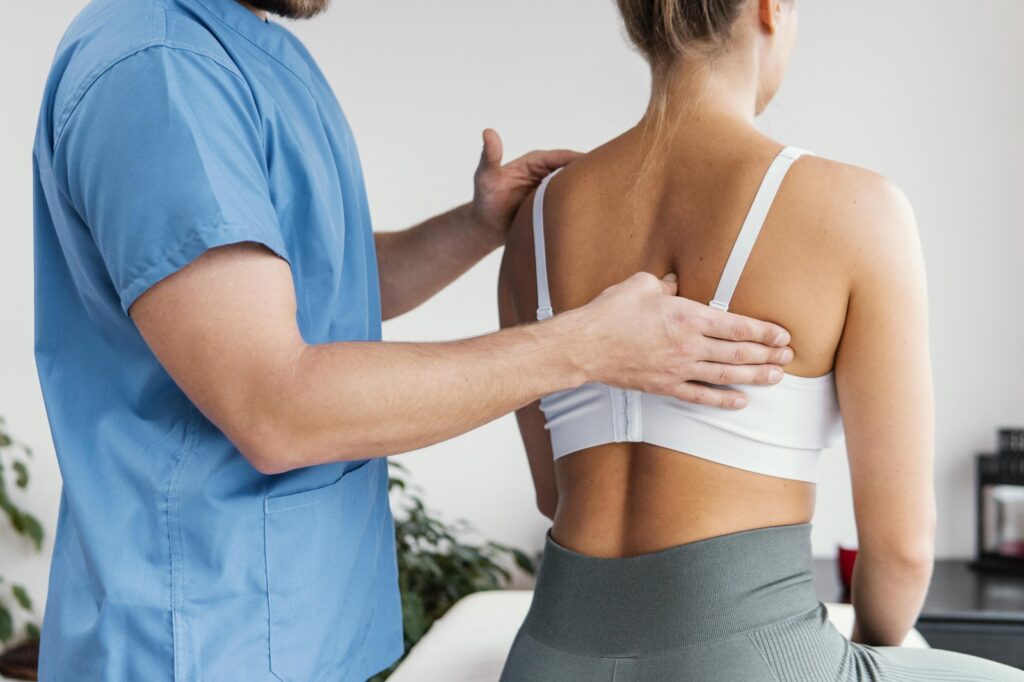
Physical Exam For Sports: What to Expect During Your Visit
Quick Summary A physical exam for sports helps determine whether an athlete is ready for training and competition by reviewing medical history, evaluating overall health, and identifying concerns that may affect safe participation while creating an opportunity to discuss injuries, fitness goals, and preventive care. Regular evaluations also help build a stronger foundation for healthy athletic performance throughout every season. A physical exam for sports is an important step before participating in school athletics, recreational leagues, or competitive sports because it evaluates overall health while identifying medical conditions or previous injuries that could affect safe participation, helping athletes begin each season with greater confidence and a clearer picture of their physical readiness. Every athlete has unique health needs based on age, medical history, and the demands of a chosen sport, making these evaluations valuable beyond meeting participation requirements. Our practice offers compassionate care that focuses on preventive health while helping patients prepare safely for athletic activities at every stage of life. Why a Sports Physical is More Than a Required Form Schools, athletic organizations, and community leagues frequently request sports physicals before participation, yet the appointment serves a much greater purpose than completing paperwork because it allows physicians to evaluate overall health while identifying concerns that may increase the chance of injury or affect athletic performance throughout the season. The visit also creates time to discuss previous injuries, medications, allergies, chronic medical conditions, and family health history since each of these factors can influence athletic participation, allowing physicians to recommend appropriate next steps before practices and competitions begin. What Happens During a Physical Exam for Sports A sports physical usually begins with a detailed review of personal and family medical history because past illnesses, surgeries, medications, allergies, and previous injuries help physicians gain valuable insight into an athlete’s current health while creating a more complete picture before the physical examination begins. The examination includes measuring height, weight, blood pressure, heart rate, and vision while evaluating the heart, lungs, abdomen, joints, muscles, posture, flexibility, strength, and balance, giving physicians an opportunity to identify concerns that may require additional evaluation before athletic participation. Medical History Plays an Important Role Sharing accurate medical information is one of the most valuable parts of the appointment because previous concussions, asthma, diabetes, heart conditions, fractures, or recurring joint problems may influence participation recommendations while helping physicians identify possible risks before physical activity becomes more demanding. Athletes should also mention symptoms such as dizziness, chest discomfort, shortness of breath during exercise, or unexplained fainting episodes because these concerns deserve careful evaluation before returning to practices or competitive events, even if they appear only occasionally during intense activity. How Movement and Flexibility are Evaluated The physical examination includes movement assessments that help physicians observe posture, joint mobility, muscle strength, coordination, and balance because these areas influence athletic performance while revealing physical limitations that may increase the possibility of injury during practices or competition. Assessments may include simple movements such as bending, squatting, hopping, walking, stretching, and rotating different joints while primary care services also create opportunities to discuss injury prevention, healthy recovery habits, and long-term wellness that extends well beyond a single sports season. When Additional Testing May Be Recommended Every sports physical does not end with additional testing because many athletes complete the evaluation without concerns, yet certain findings may lead to further assessment when physicians identify symptoms, medical history, or examination results that deserve closer attention before participation begins. Extra testing may include blood work, imaging studies, heart evaluations, or referrals to specialists depending on individual health needs, allowing athletes to receive appropriate medical guidance while reducing unnecessary risks associated with strenuous physical activity and competitive sports. Preparing Before Your Appointment Arriving prepared helps the appointment move smoothly because bringing completed school or league forms, a current medication list, immunization records, and information about previous injuries creates a more complete discussion while reducing the chance of missing important health details during the visit. Athletes should also wear comfortable clothing that allows easy movement during flexibility and strength assessments while preparing questions about exercise, nutrition, recovery, hydration, or recurring discomfort so every concern receives appropriate attention before the sports season begins. Building Healthy Habits Beyond the Playing Field A sports physical is not limited to clearing participation because it also encourages healthy habits that benefit daily life, helping athletes recognize the value of balanced nutrition, adequate sleep, hydration, stress management, and proper recovery as important parts of maintaining physical well-being throughout the year. Our practice believes preventive care creates stronger long-term health while giving patients an opportunity to discuss athletic goals, recurring injuries, and wellness concerns in a welcoming environment where every conversation focuses on helping individuals stay active as safely as possible. Start the Season With Confidence and the Right Care Preparing for sports begins with a complete health evaluation that builds confidence before practices and competitions begin. Connect with us today to schedule a sports physical with Etheridge Family Medicine and take an important step toward a healthy, active season. FAQs Who needs a physical exam for sports? Students and athletes participating in school, recreational, or competitive sports may need a sports physical before the season begins. How long does a sports physical appointment usually take? Most sports physical appointments take about 30 minutes, depending on medical history, health concerns, and any additional evaluations that become necessary. Can a sports physical identify previous injuries that need attention? Yes. The examination reviews previous injuries and current movement patterns, helping physicians identify concerns that may require additional evaluation or treatment. Should athletes bring medications to the appointment? Bring a complete list of prescription medications, over-the-counter products, and supplements so physicians can review current treatments during the evaluation. Can an athlete participate if a medical condition is found during the exam? Participation depends on the condition and its severity. Some athletes may need additional evaluation or treatment before receiving medical clearance. How frequently should a physical exam for sports be completed? Many schools and athletic organizations require
Physical Exam For Sports: What to Expect During Your Visit Read More »